yet this color scheme has many fans to this day. Why it happens? Let’s try to figure it out.

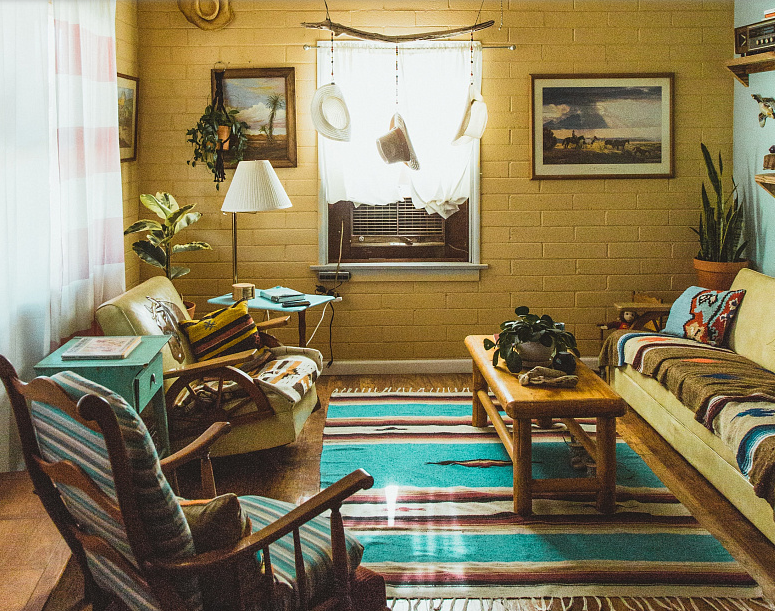
Beige is easy to diversify with bright blotches and accents. Its huge advantage is that it serves as an excellent backdrop for furniture and decor in other colors. Blue, green, red, pink, purple, blue, added in limited quantities, will breathe life and energy into the surrounding space.
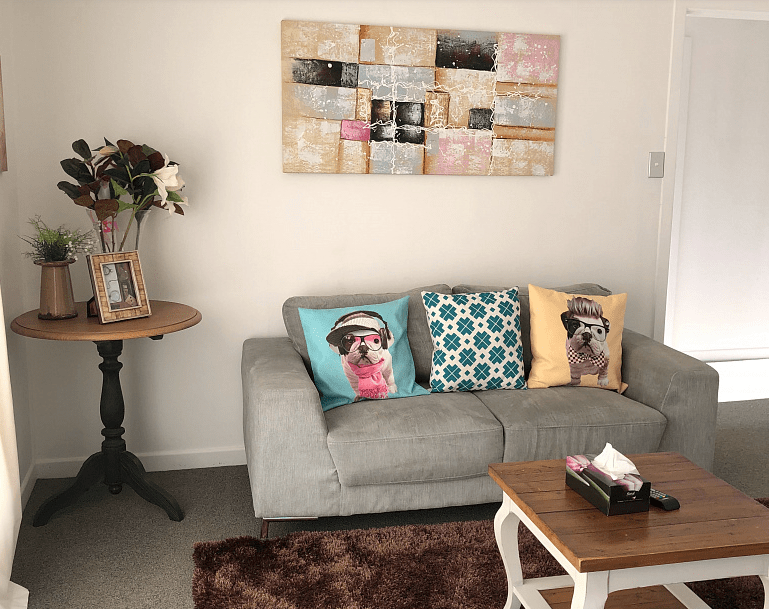
What’s more, even a calm, monochrome interior can be brought to life by using subtle color differences such as sand, milky, ivory, and other shades of beige. The main thing is that they do not merge within the same palette, but emphasize and set off each other.
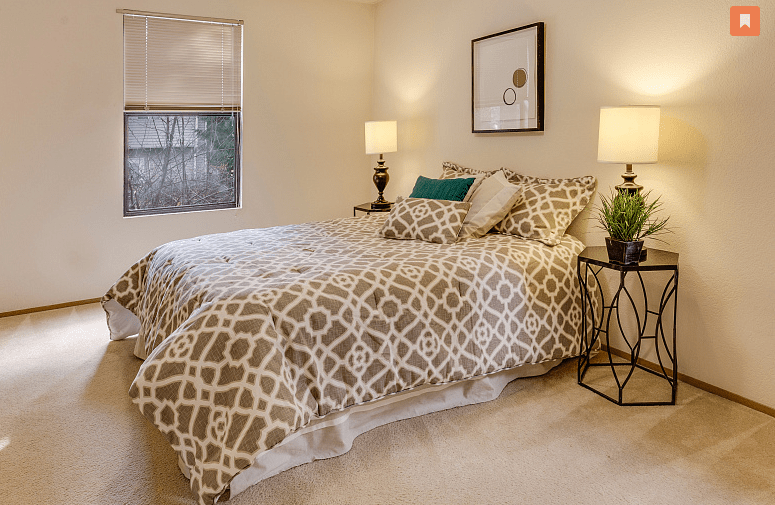
Some people dislike beige because they consider it morally outdated. This is a problem left over from the times when there was not a great variety of furniture and finishing materials, and “beige” interiors bred like a blueprint. In today’s reality, it is quite possible to choose furniture and accessories that will make the interior stylish and original, regardless of the color scheme.
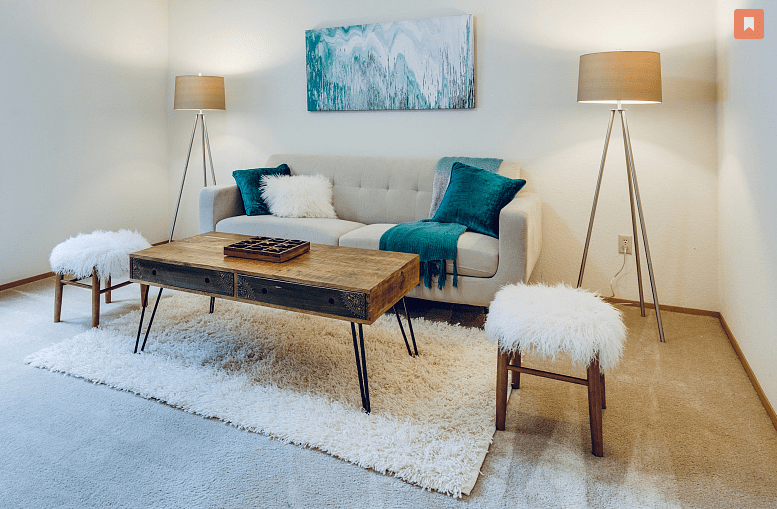
Sometimes an overabundance of beige creates the effect of stuffiness and pressure, since a room decorated in beige tones is perceived too warm. The situation can be corrected by diluting the main color with inserts of cold tones (for example, blue, turquoise), fresh green shades, as well as the cold shine of metal or mirrors.
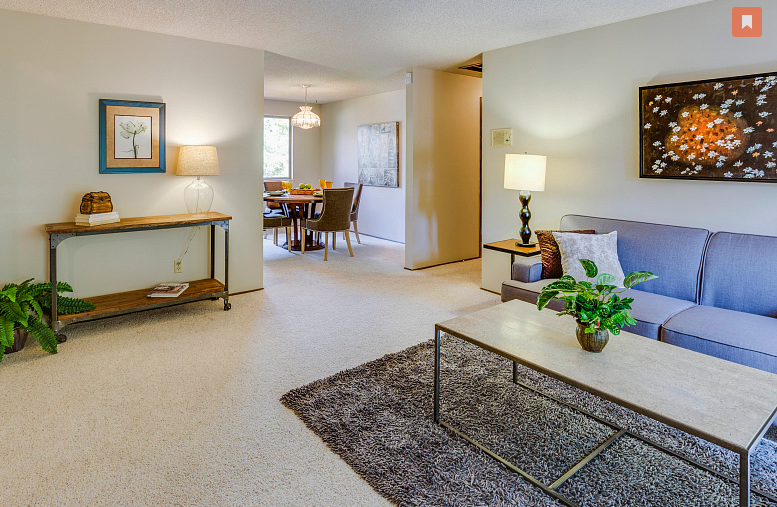
It creates a calm, relaxing atmosphere better than any other. If you think of a house as a place to relax from work stresses and city bustle, beige interior is the right choice.
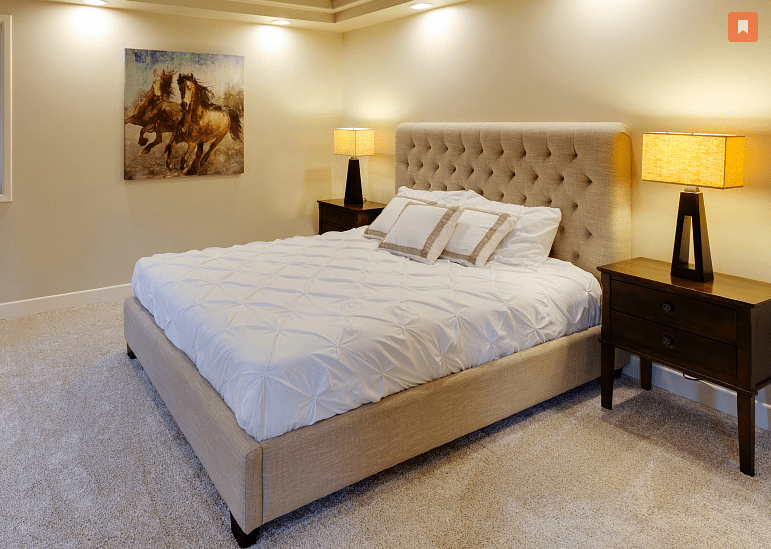
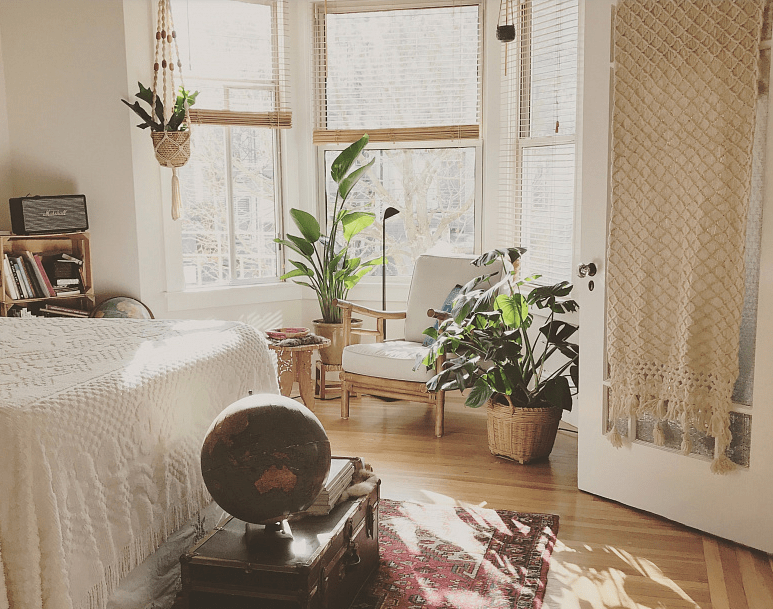
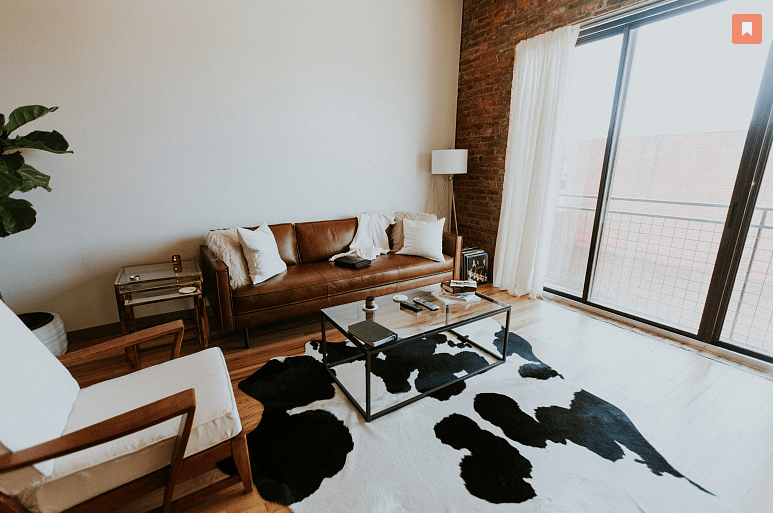
Moreover, beige is great when you need to shift the focus to something specific, for example, your favorite collection or a chic window view.
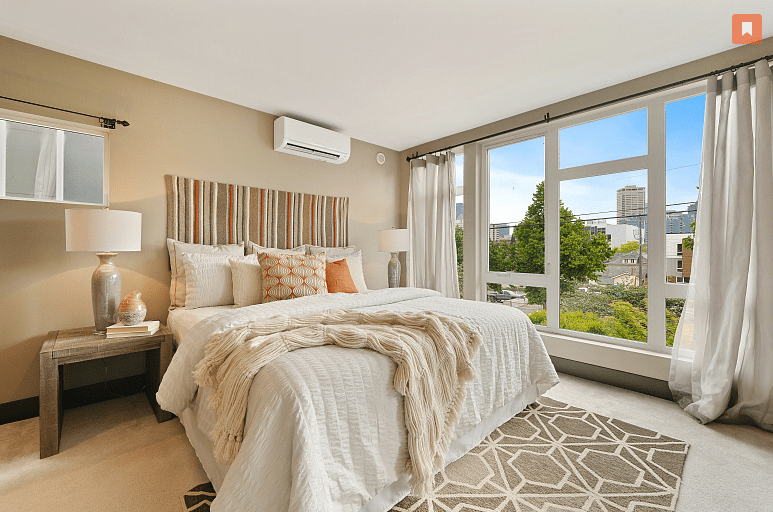
Beige is versatile. This applies not only to color but also to style. On the basis of beige, you can create both classics and provence, modern and ethnic style.
 My Home maker