This style appeared almost a hundred years ago, stayed at the height of fashion for two decades, attracted attention again in the 1980s, triumphantly returned to fashion in 2017 and still does not lose its relevance.
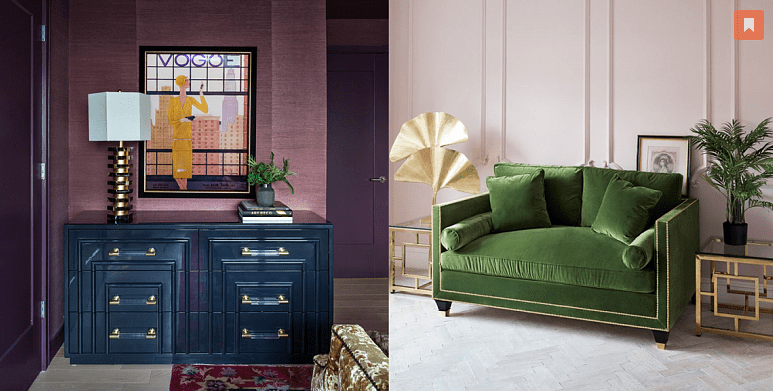
One hundred years of art deco
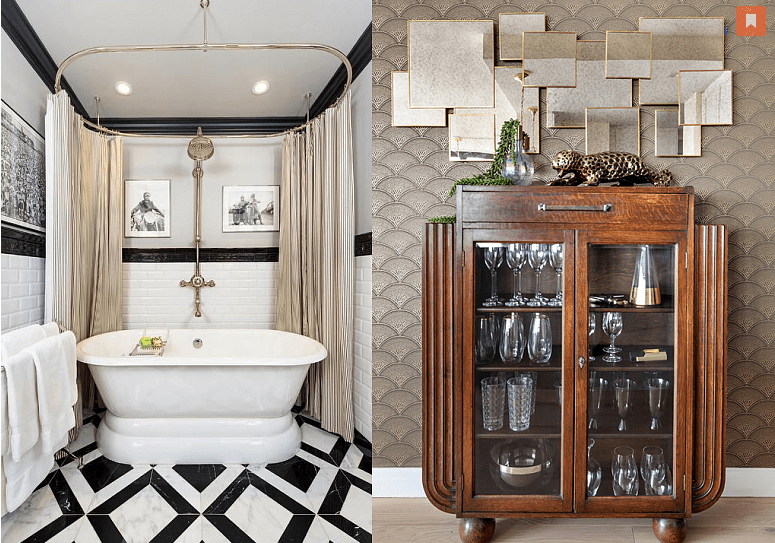
The Art Deco style appeared in France in the 1920s and gained worldwide popularity over the next two decades. It is an exotic hybrid of neoclassicism, cubism, constructivism, animal prints, oriental and African motifs. When the ruins of ancient cities were discovered in the forests of Mexico, eclectic Art Deco tried on Aztec ornaments, the opening of Tutankhamun’s tomb in 1922 endowed the style with Egyptian elements. Status finishing materials became the basis for all this eclecticism.
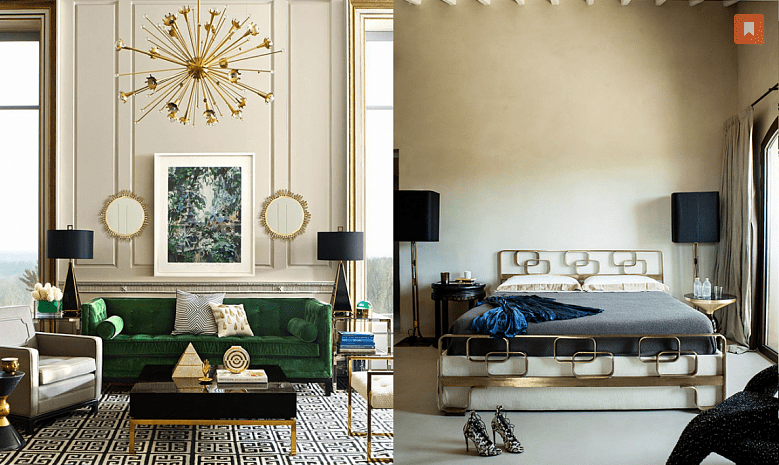
Despite its decorative chaos, Art Deco looks balanced, has static symmetry, and is associated with stability and prosperity. The calling card of the style: geometry.
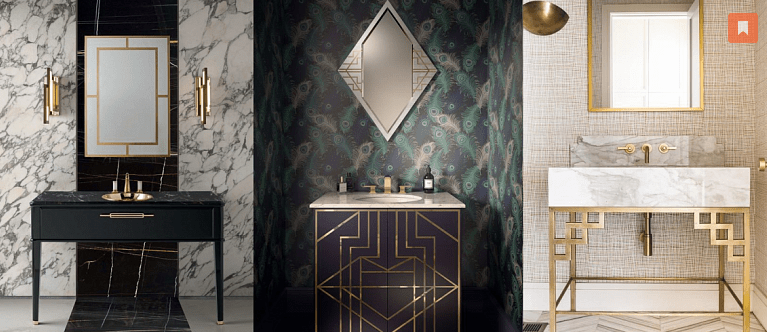
In American interiors, Art Deco has turned into luxury and abundance. Decorators actively used gold, marble, ivory, zebra skins, crocodile skin and exotic woods.
Art deco versus minimalism
Minimalism stands on the idea of giving up unlimited consumption in the name of protecting the environment. With such a strong message, a minimalist approach to living space is unlikely to leave the scene in the near future.
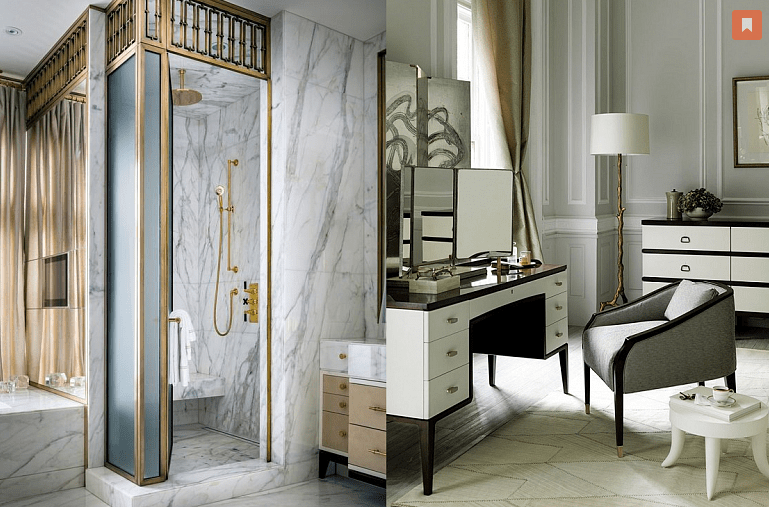
Art Deco is another matter. For all its love for luxury, detail and decorativeness, this style can look restrained and even strict.
Art deco today
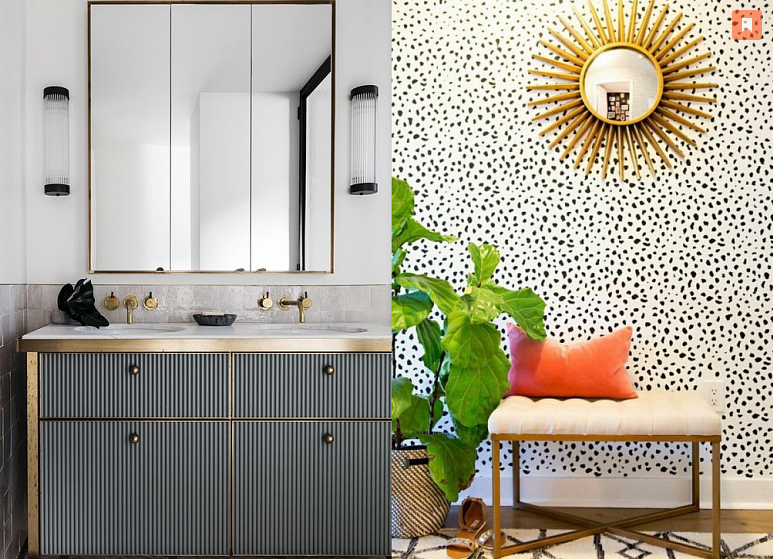
Art Deco has become more modest. In a time when fashion calls for responsible consumption, an interior with natural zebra skin on the floor can hardly squeeze into the frame of good taste. Art Deco is more democratic, calmly treats artificial analogs of expensive materials.
 My Home maker