
You don’t need to be a practicing interior designer to “prescribe” minimalism, white walls and mirrors in a small apartment but what other tools are good in dealing with a modest footage?
Blurred boundaries
Fool your brain: “flood” the walls and ceiling with one color, visually blurring the boundaries.
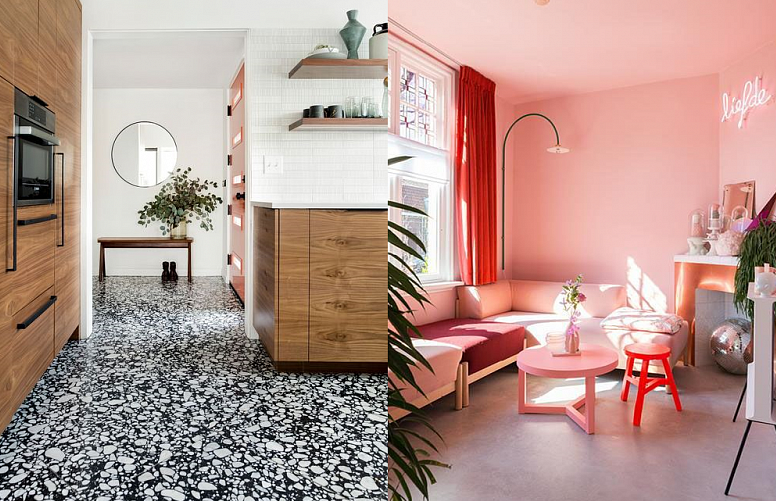
Our eyes are used to clinging to clear color separation of surfaces. When there is no separation between walls and ceiling, it becomes more difficult to determine the real scale of the room.

You can safely break the golden rule, which says that exceptionally light walls are suitable for small rooms. To achieve the effect of infinity and to make a small-sized room visually expand, it will turn out using any shade.
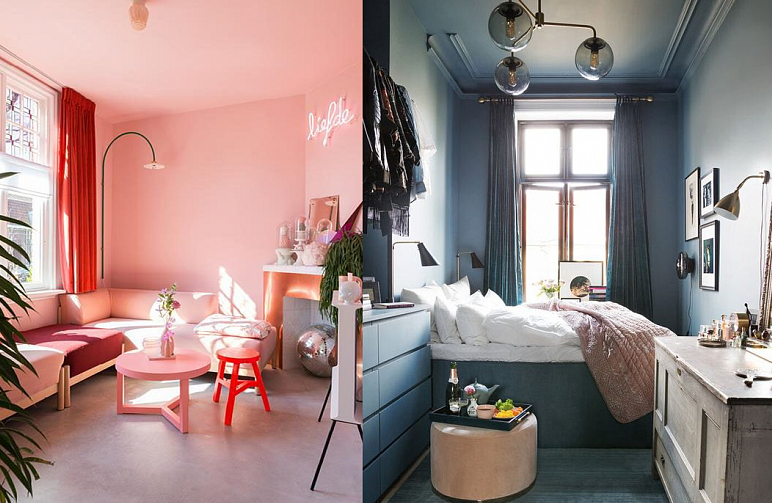
You can go the other way: do not blur the existing boundaries, but establish new ones by painting all the walls in the room in different colors or using color-blocks – this will break the integrity of perception, and the room will seem larger than it actually is.
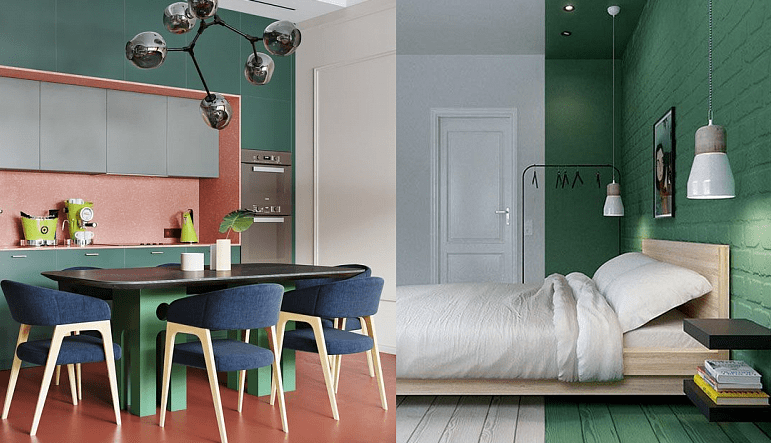
Single floor covering
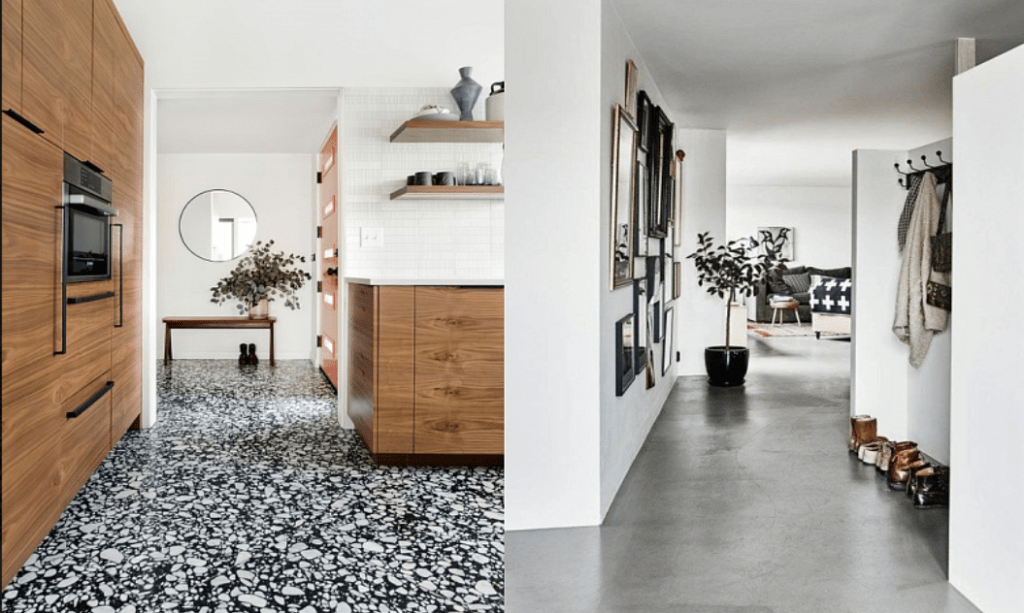
Do not forget about what is under your feet. A single floor covering, “flowing” from room to room, will also help to erase boundaries and inspire the consciousness that the apartment is not so small.
Broken settings
Trick your mind: knock off the visual zoom settings. Do not be afraid of large sofas in small living rooms, spectacular floor lamps, large paintings on the walls and large-scale drawings on the wallpaper. There is no need to “grind”.
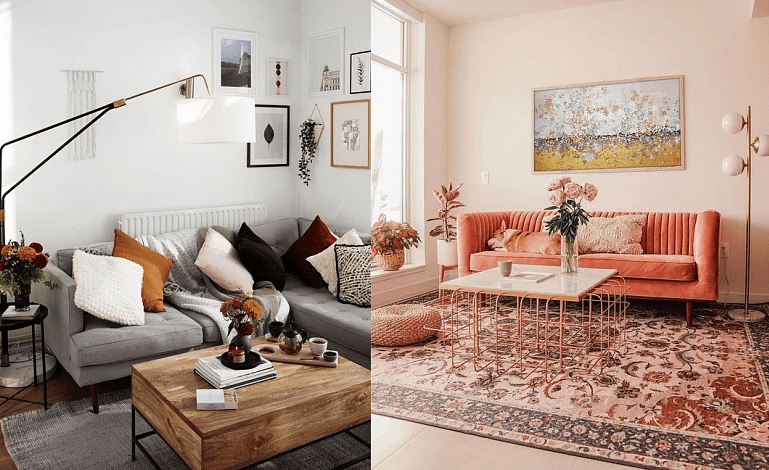
The minimum amount of furniture is not always beneficial to the visual footage. For example, a coffee table or a floor lamp, which may seem like excesses in a small living room, will in fact become another psychological trick. The brain will perceive information something like this: since there is enough space in this room for all these things, it means that it is not so small.
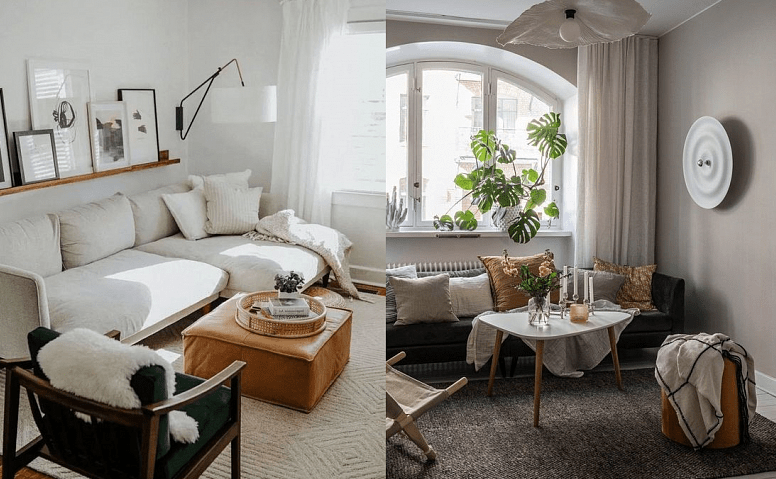
Do not seek to arrange furniture exclusively along the walls, this will only visually narrow the room. The secret is to focus on the center of the room, it will distract from its true size. If you are afraid to clutter up the room, choose furniture with legs instead of furniture with a solid base – this is a time-tested way to visually relieve a room.
Upward movement
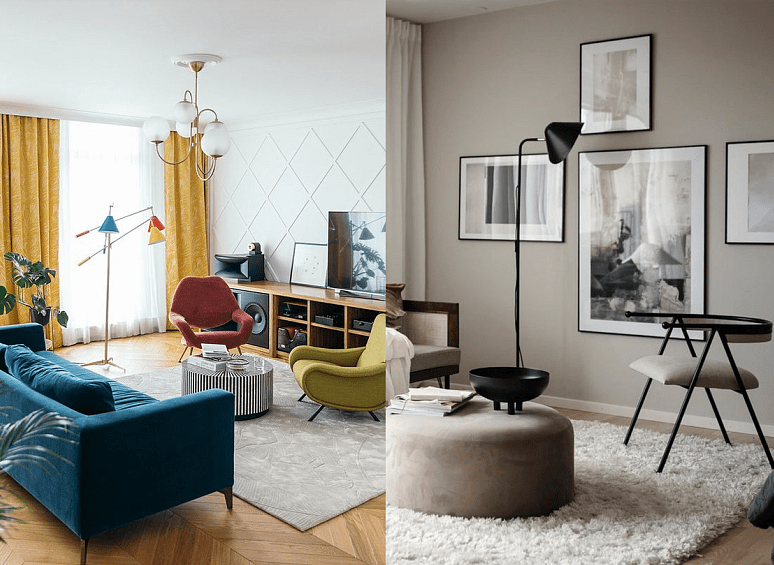
Designers use this technique to visually raise ceilings. The point is to make us look up, so the room will appear visually larger. Cabinets, shelves and floor-to-ceiling curtains, a floor lamp looking at the ceiling, paintings and posters located above eye level – all this will make us raise our heads, see more and decide that the room is visually spacious than it actually is.
 My Home maker