My Home maker
These are like-minded styles with a common goal – to mix and match elements of different styles, and a single goal – to create unique living spaces. But although they have the same goal, the means are different. Let’s see where eclecticism ends and fusion begins.
Eclecticism: no longer historicism, not yet fusion
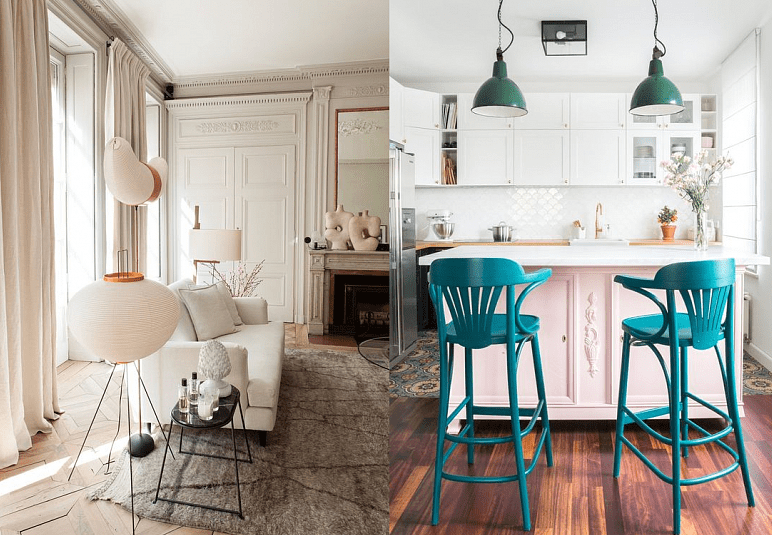
It was only in the 19th century that eclecticism was spoken about as an interior style, when especially daring architects and decorators began to mix elements of baroque, classicism and other historical styles, creating more individualized spaces. They also began to actively dilute the classic furnishings in the homes of aristocrats with interior curiosities arriving in the Old World from the colonial countries.
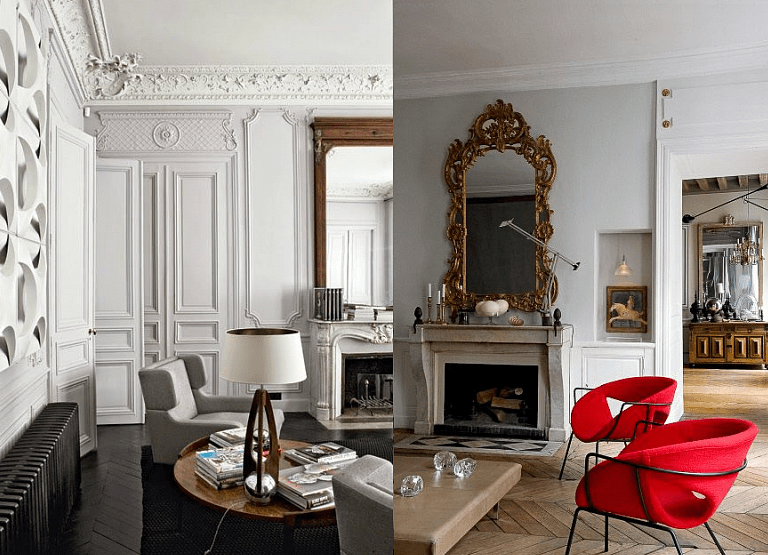
Another pseudo-synonym for interior eclecticism is historicism. Like eclecticism, he can mix classics and modernity, but very carefully and carefully, observing historical accuracy, choosing only one classic style and carefully adapting it to our realities. The interior in the style of historicism will not have LED lighting, ceiling spots or furniture-transformers.
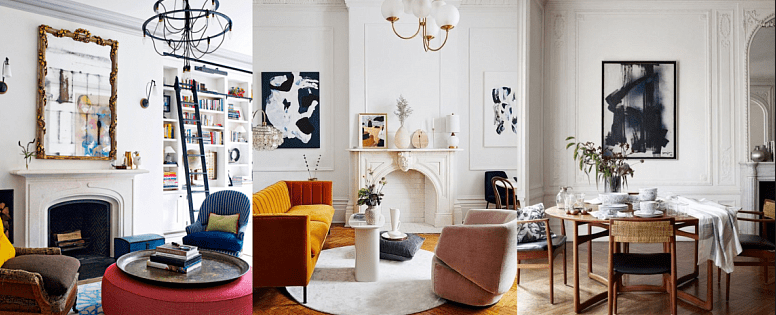
The base for style mixing is most often chosen neutral: light walls, a white ceiling, a wooden floor, the main role is given to furniture and decor. Eclectic interiors are unusual, artistic, detailed, unlike each other.
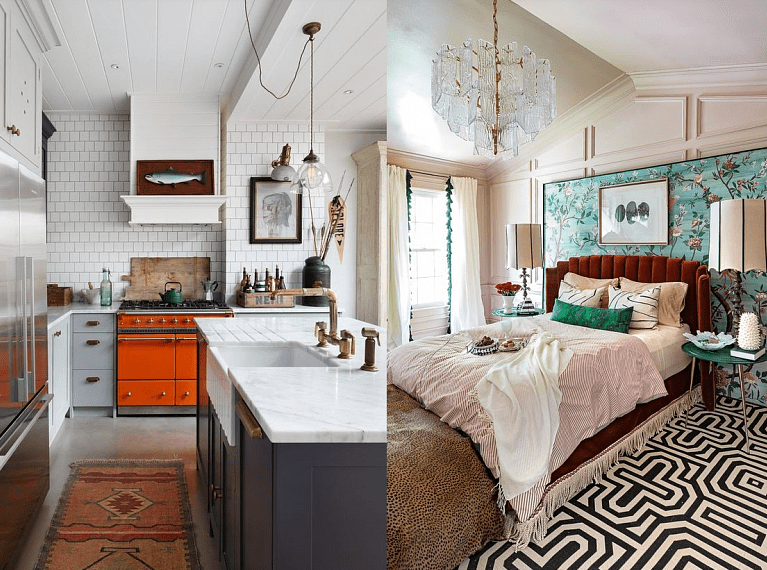
Fusion: freedom, but not kitsch
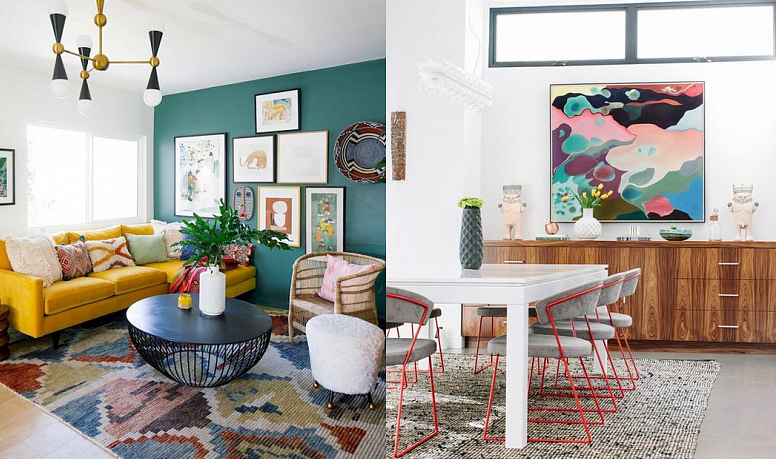
Fusion is hardly compatible with minimalism, just like eclecticism, it tends to detail, an abundance of decor and textures. Fusion is more about interior maximalism, but without a feeling of redundancy, often the same neutral finish helps in this.
Fusion loves bright colors more, more actively uses the styles of the second half of the 20th century and modern materials. Fusion historicism is rather ironic. One of the “tricks” is to add an object made of polypropylene, for example, or a classic-shaped chair with a pop-art print to the interior of a historical look. If there are status elements in such an interior, they look rather bohemian, the palace luxury of historical styles is not about fusion.
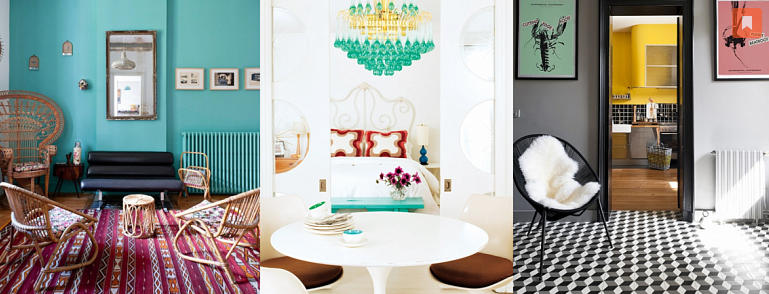
Fusion works on the verge of kitsch, but does not forget about moderation. The whole motley company of decoration, furniture and decor in such an interior should be united by a common concept. Such a setting, although built on contrasts, looks complete.
Fusion does not like traditional layouts and rigid division into functional areas. The connection between objects in such a space is dictated more by emotion than functionality. At the same time, the fusion-style interior has no task to shock or make laugh, its purpose is to tell the personal story of its inhabitants.
 My Home maker