The 70s is the most freedom-loving decade in interior design, at this time traditional forms and designs were rethought, experiment became the norm, and exoticism and irony became a way of self-expression.
Informal atmosphere
The informal lifestyle of the post-war generation required an appropriate setting. In 70s, traditional sofas and armchairs gave way to squat upholstered furniture on which to recline, relaxed like the ancient Greeks. Modular sofas were popular. Moving in space, they modified its “landscape” – ideal for bohemian parties.
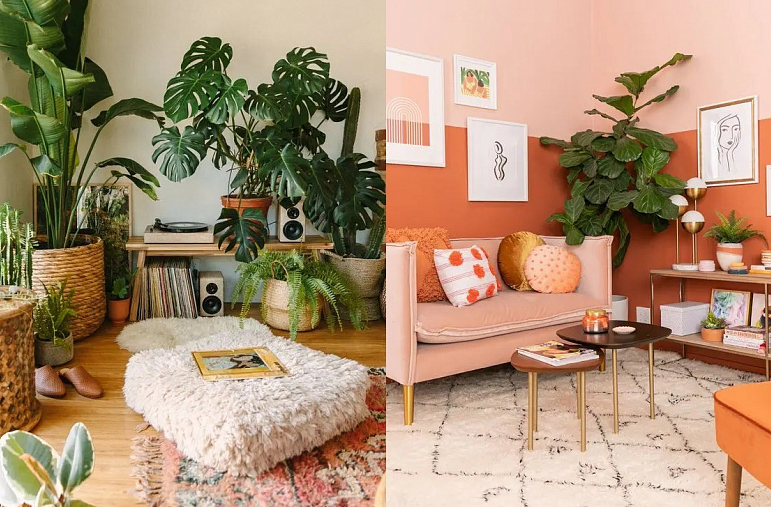
In an effort to move away from post-war asceticism, sofas and armchairs looked more like natural objects than traditional pieces of furniture. Streamlined rounded shapes, large dimensions, tactile upholstery – everything in the upholstered furniture of the 70s invited to spend time relaxed, as if to relax on a hillock overgrown with soft grass.
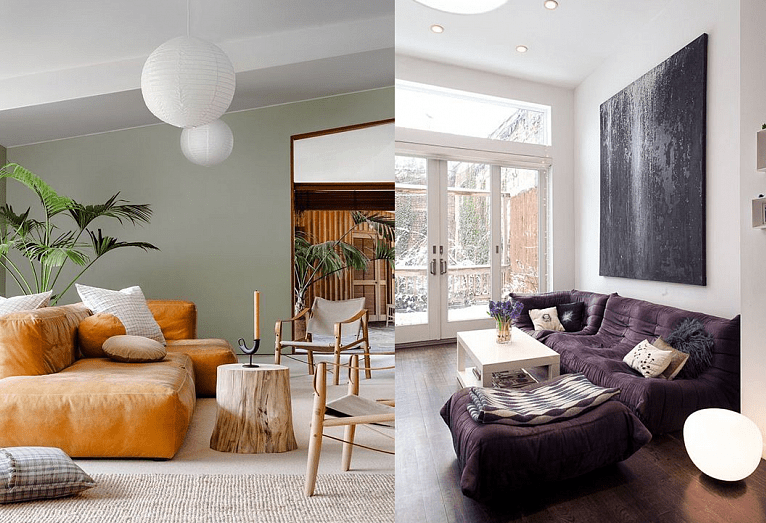
Corduroy fabrics were the most popular among upholstery.

Increased hairiness
In the 70s they loved fur: natural and synthetic. Artificial skins, shaggy carpets, textures reminiscent of Soviet plush toys – all this again warms up our interiors. The priority is given to light natural “colors”.
Illusions and fakes
Optical art was very popular in the 70s, designed to expand the boundaries of perception and add dynamics to the interior. From the optical illusions and psychedelic prints of the 70s, we got the active geometric ornaments that have appeared on tiles, wallpaper and carpets over the past few years.
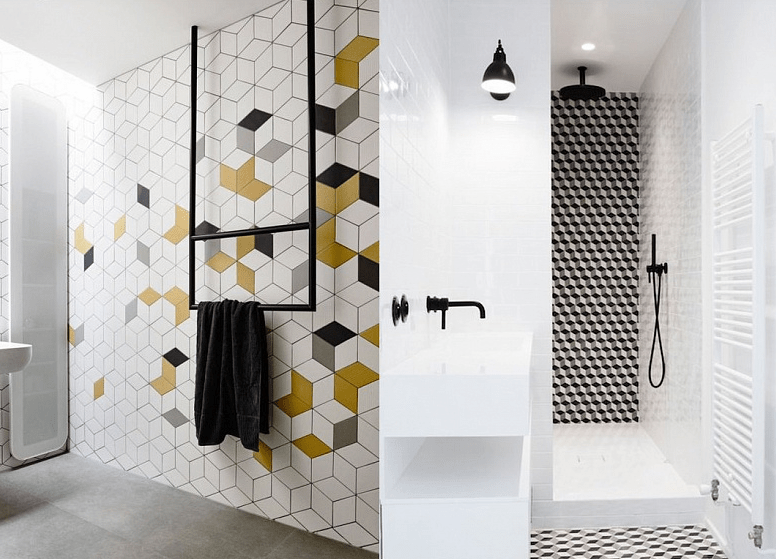
Rust and earth
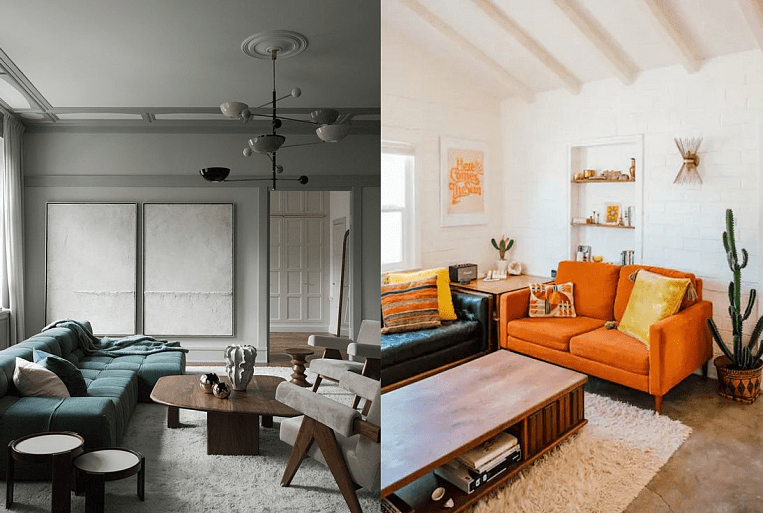
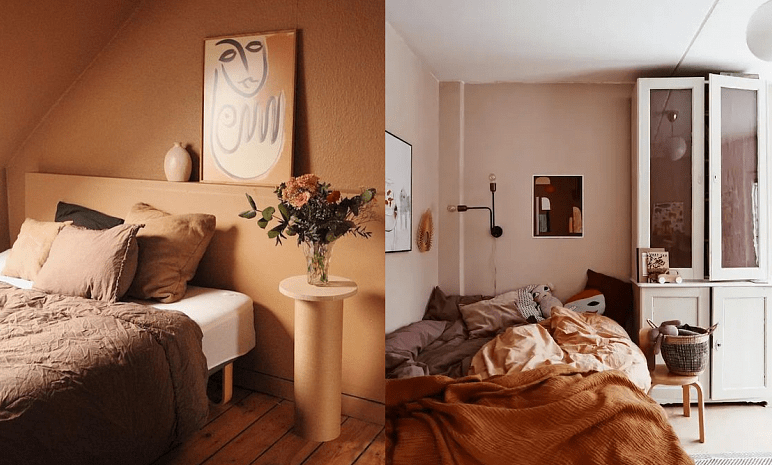
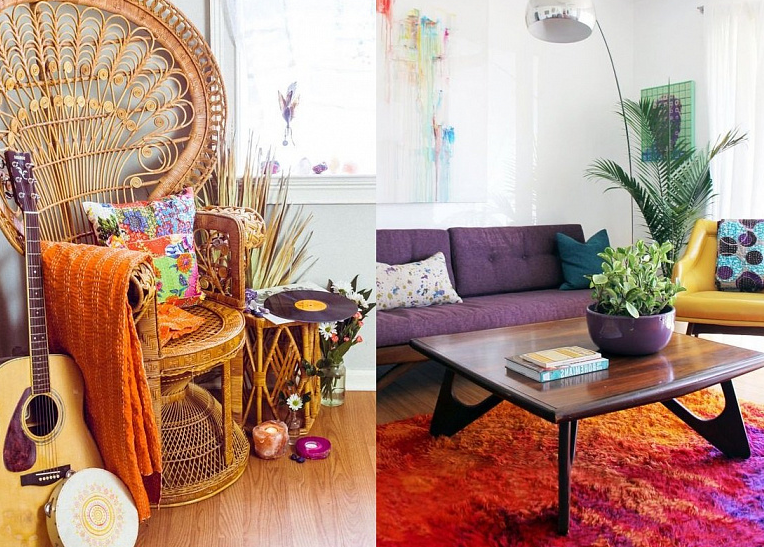
It’s hard to imagine people in colorful flared trousers living in beige interiors. There were a lot of colors in the 70s. They were natural rich spicy shades or desperate bright explosions. Interiors rarely did without color-blocks, which could be boldly combined with each other.
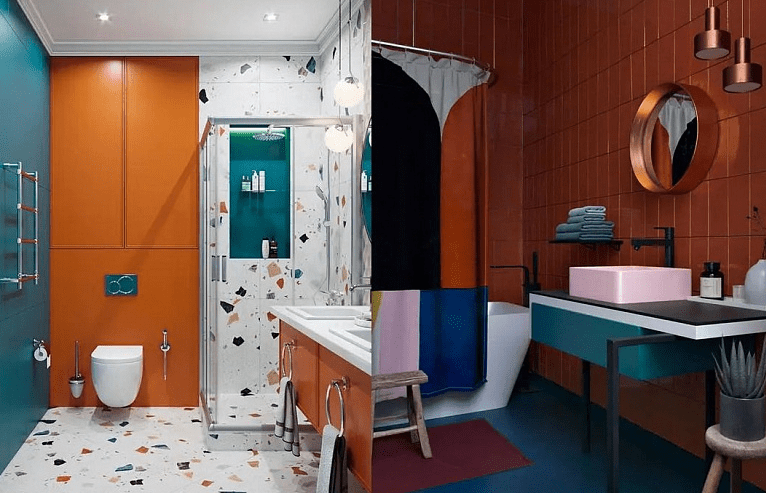
From the riot of colors of the hippie and disco era, the list of trends in 2021 migrated: orange, yellow, earthy and rusty-red shades.
Magic mushrooms
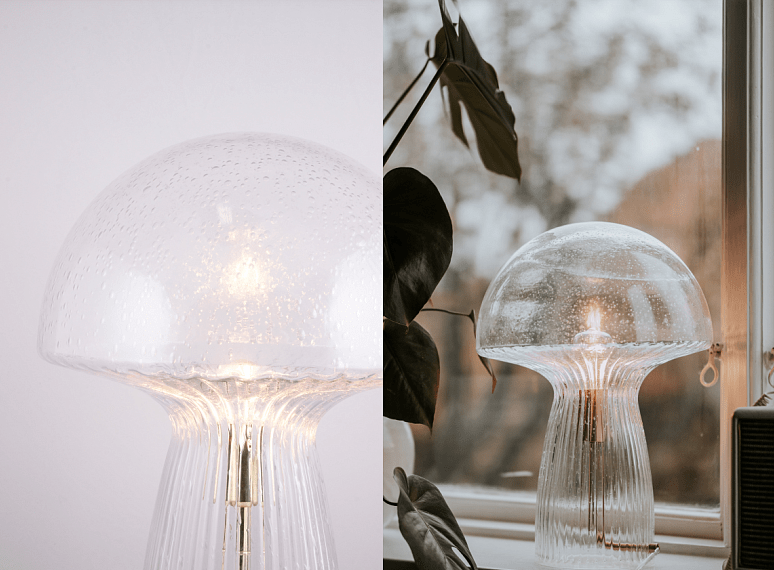
Everyone knows that in the 70s they loved round lamps hanging from ceilings in clusters. The spherical shapes were a tribute to the theme of space exploration, which excited the minds of designers in the second half of the 20th century. Nature was another source of inspiration. The lamps took the form of outlandish mushrooms and sea shells. Modern brands have brought this trend back from oblivion.
Tropics and “cucumbers”
Eastern spiritual practices and exotic fashion trends penetrated the lifestyle and interiors of the Western man of the 70s in the wake of the active development of tourism. So oriental “cucumbers”, according to legend, returned to fashion thanks to the Beatles after their travels in India. Appearing on the shirts of the band members, the print soon appeared on shirts, trousers, dresses and tunics all over the world, paralleling its way into interiors.
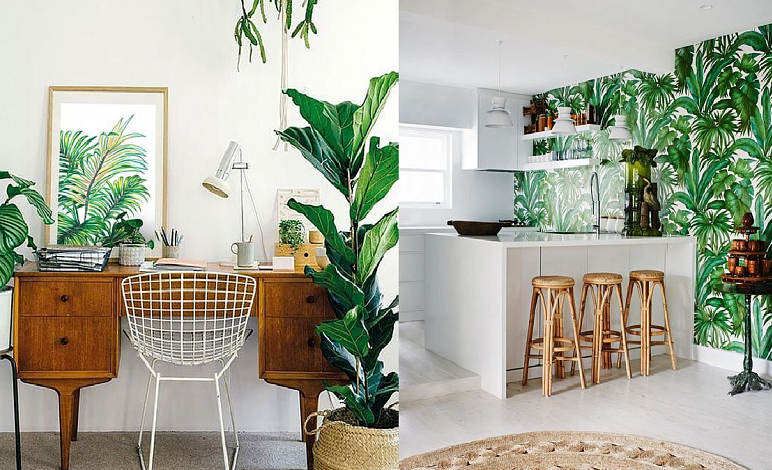
The hippies’ fascination with “foreign” culture contributed to the popularization of Moroccan pillows, oriental carpets, macramé, as well as palms and banana leaves, images of which appeared on upholstery and wallpaper.
Varnish and wicker
Furniture made of lacquered wood and plywood is a typical inhabitant of interiors of the 70s. Not everyone is ready for its return, especially in our area, where such samples are associated with the era of scarcity. But lacquered coffee tables have already become a frequent feature in design projects.
 My Home maker