Deceiving our eyes, optical art endows the objective world with new meanings and possibilities, creates dynamics and tension in space. How and when did op-art appear and is there a place for it in the modern interior. Let’s tell.
Do not believe your eyes
Optical art gained wide popularity after the sensational exhibition “Responsive Eye”, which opened in New York in 1965. The optical illusions displayed at the exhibition shocked the public and made op-art a property of contemporaries, significantly influencing American design at the time.
Op art in the interior
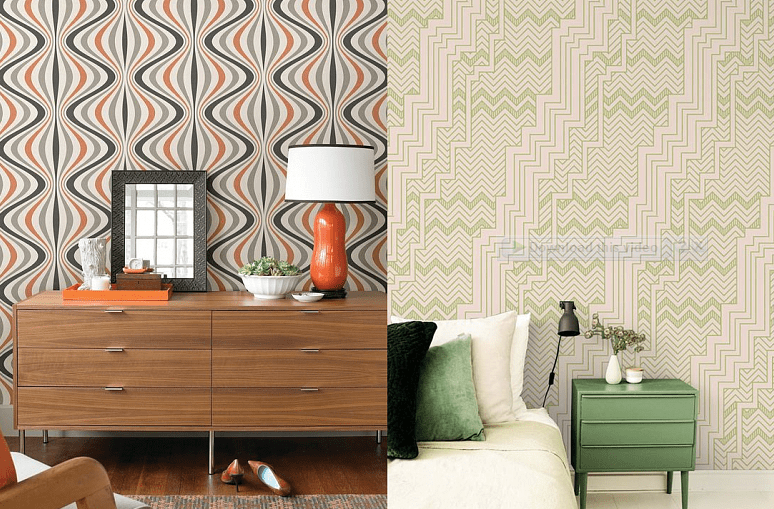
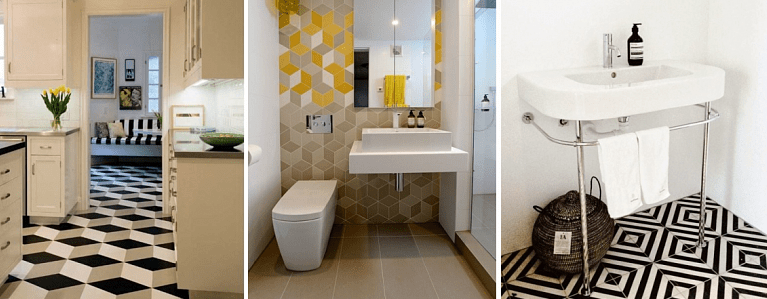
Op art in the interior can work for you, visually expanding the space. Mirrors and wallpaper with the illusion of perspective are essentially op-art too.
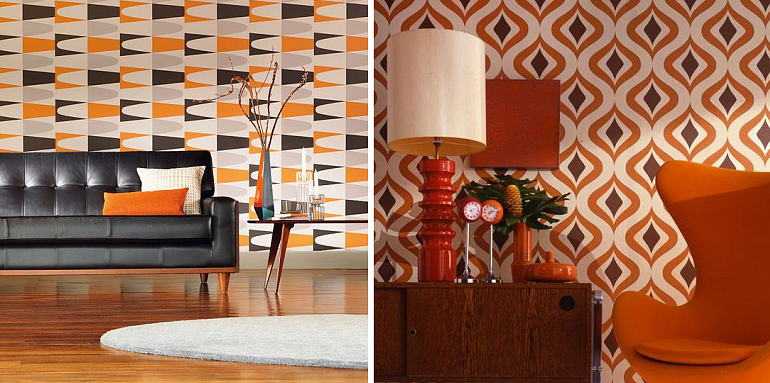
In modern interiors, op-art motifs often appear in the form of geometric ceramic tiles, or rhythmic prints on textiles.
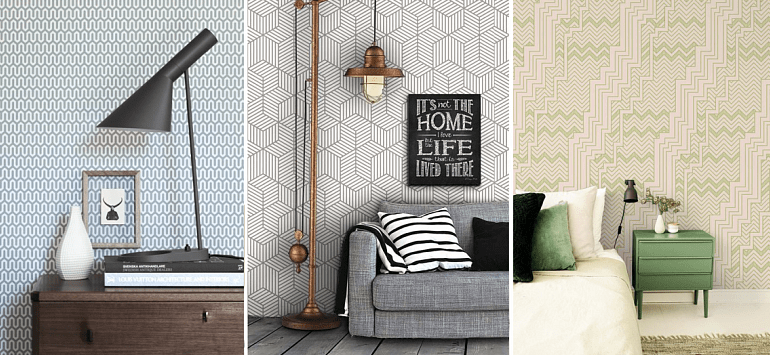
Op-art in a residential interior takes root as art objects or decorative elements, turning them into a point of attraction for the eye. Prints like these are great for accent walls, floors, and even ceilings. Op-art motives can be hidden in patterns on decorative pillows, carpets and curtains. They look good in modern, minimal spaces with neutral finishes. The rule is: you should feel the rhythm of the pattern, but not dizziness.
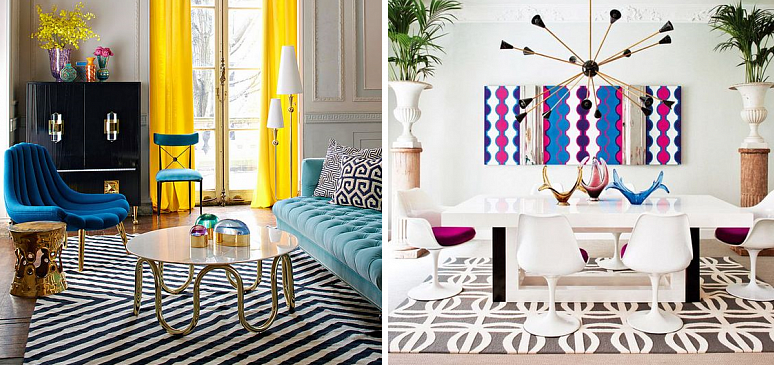
Few will enjoy living among vibrating walls and dizzying twists. This requires an extraordinary personality and a strong vestibular apparatus.
Op art in the interior can work for you, visually expanding the space. Mirrors and wallpaper with the illusion of perspective are essentially op-art too.
 My Home maker