The charm of natural wood in the interior is undeniable. It creates an atmosphere of warmth, home comfort and is subconsciously associated with comfort, because for many centuries all furniture was made of wood.
Here are a few ways to avoid overdosing on wood and harmonize different wood textures.
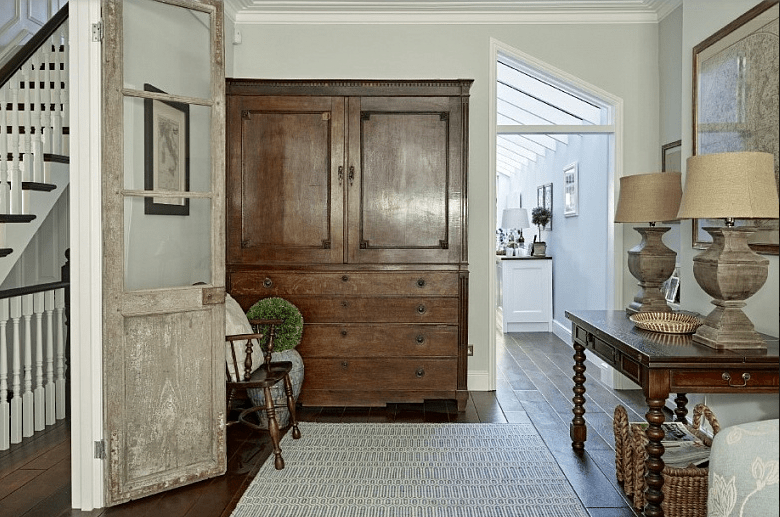
Remember the sense of proportion
In a country house, the intention to create an atmosphere of a village hut is fully justified. In other cases, decorating a room with clapboard or wooden panels from floor to ceiling is not the best idea, even if we are talking about an insulated loggia.
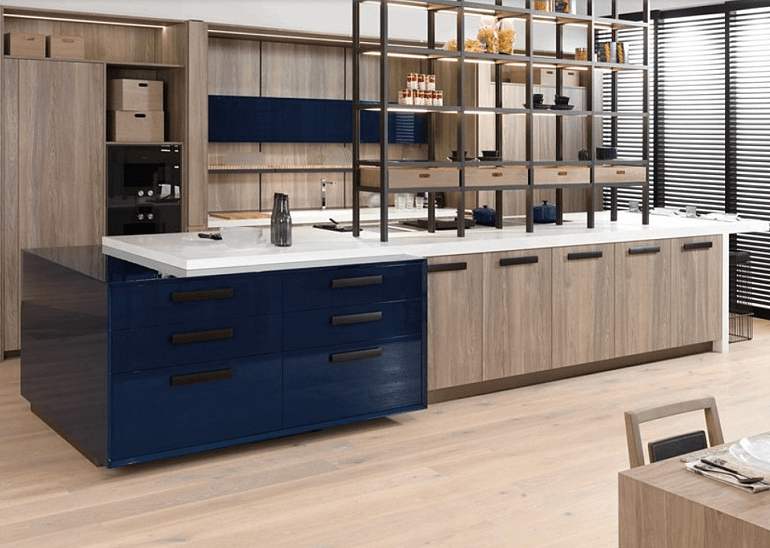
Look around the area
If you carefully examine the room, it may turn out that disharmony is brought in by one or two objects. And it’s not about the quality or style of the thing, but about the wrong shade of wood. There can be several solutions: remove the object, repaint it in a neutral shade (gray or white), or, conversely, turn it into a bright and cheerful accent, for example, in trendy neon colors.
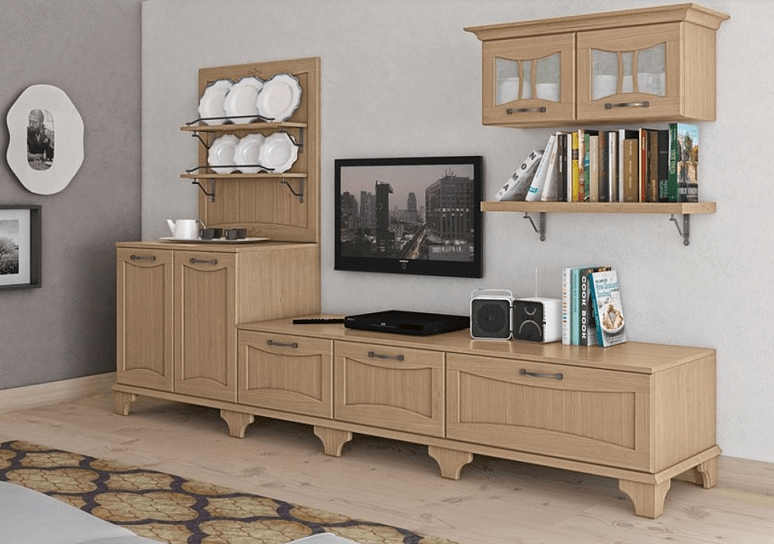
Don’t try to fool anyone
When choosing finishing materials, keep in mind that imitations and fake materials usually do not withstand the proximity to the original. In other words, it is not worth joining a laminate with a massive board or a natural wooden tabletop with “wood-like” tiles. No matter how hard you try to achieve the identity of textures, a perfect hit is technologically impossible. In such cases, a contrast technique works better: for example, a combination of parquet and concrete, or the use of ceramic tiles with a pattern as a background for wooden furniture.
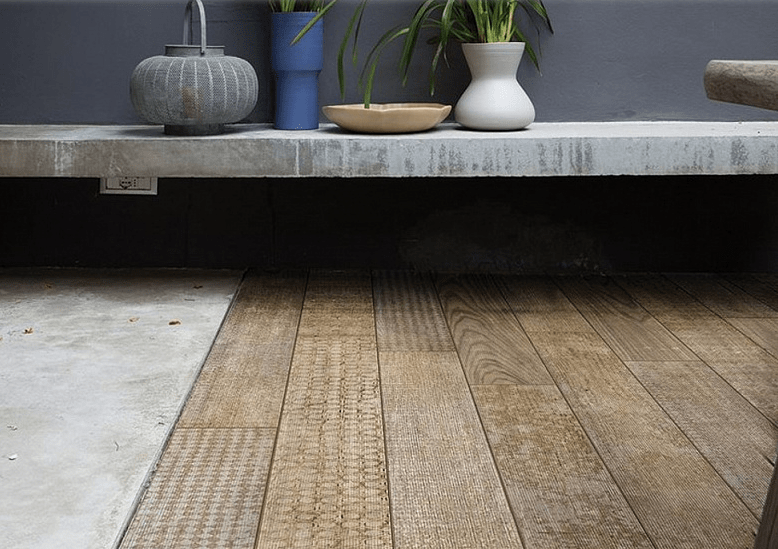
Consider style
When choosing furniture, keep in mind that dark woods with warm hints of reddish, orange or yellow are associated with classic or retro style, while lighter and cooler tones are associated with modern style and Scandinavian design.
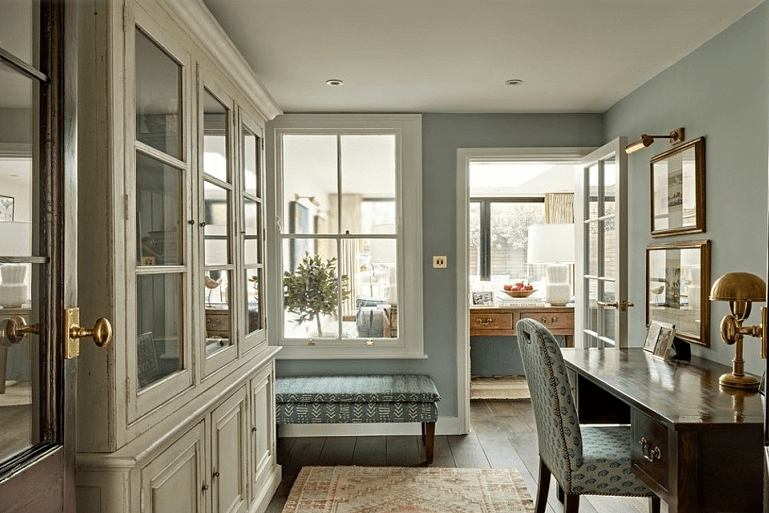
Determine the main tone
Choose the main tone of the wood in the room and build on it when choosing the rest of the furniture and finishing materials. Warm and neutral tones (ivory, beige, light brown) are organically combined with honey pine wood and warm metals such as brass and copper. Raw concrete, cold metals, on the contrary, are in better harmony with the colder wood of light oak, etc.
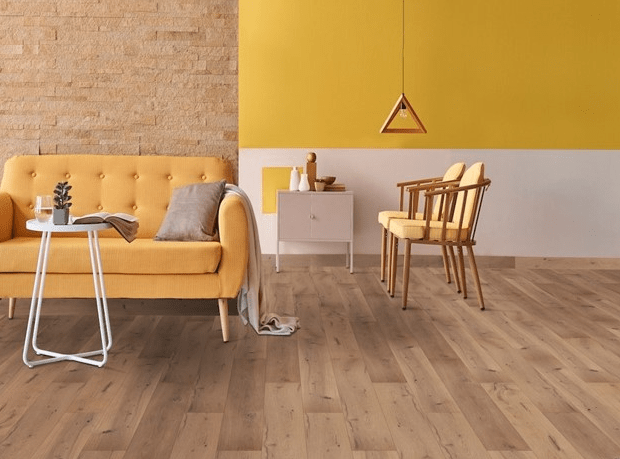
Don’t be afraid to experiment
It is not at all necessary to select all tone on tone and in the same style. There are many examples where an aged wood countertop looks spectacular against the backdrop of composite floors or concrete walls. The main thing here is not to overdo it. Contrasts of style, color and texture should be played carefully, using them pointwise and without overloading the room.
 My Home maker