The interior is not just a set of items, it should become a continuation of the personality of its owner and tell its own story, individuality in design today is more important than fashion trends and stylization.
Cliches as identity killers
Posters with reproductions of Van Gogh and London red booths, pillow covers with the image of monstera leaves and portraits of Marilyn Monroe, neon lamps in the form of pink flamingos and the words “Love” – we have already seen all this somewhere. Many times.
Such clichés win the audience’s attention, stick in memory and become the reason why the interior wants to be branded banal even in offices and catering establishments, to say nothing of living spaces. There is nothing wrong with the plots themselves, and it can be nice to look at them, but think about which cafe interior will be remembered more: with a familiar poster from IKEA or with paintings on the walls from local artists?
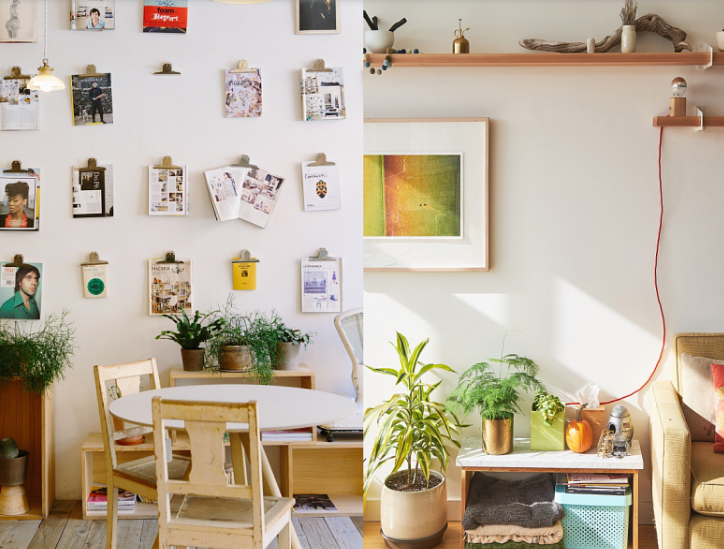
This does not mean that every component of the interior should be an intricate piece with a story. Don’t rule out simple affordable basics, just find an interesting company for them and make sure that something more interesting than a mass-market poster is the center of attraction for the eye.
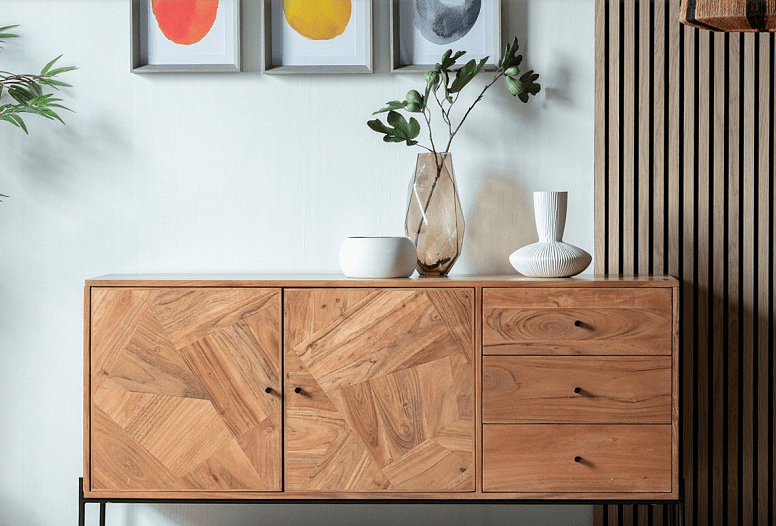
What should the story be about?
You can get away from anything. Profession, hobby, family, inspiring historical era, travel memories, favorite series – all this can be the starting point of an interior story. Choose a theme that makes you happier.
But. If you are a fan of a beach holiday and met your other half on the coast of Goa, this does not mean that the apartment should be overgrown with shells, palm trees and Indian pillows. Undiluted stylization sometimes looks comical. Even happy memories and pleasant associations should be dosed and reconciled with reality.
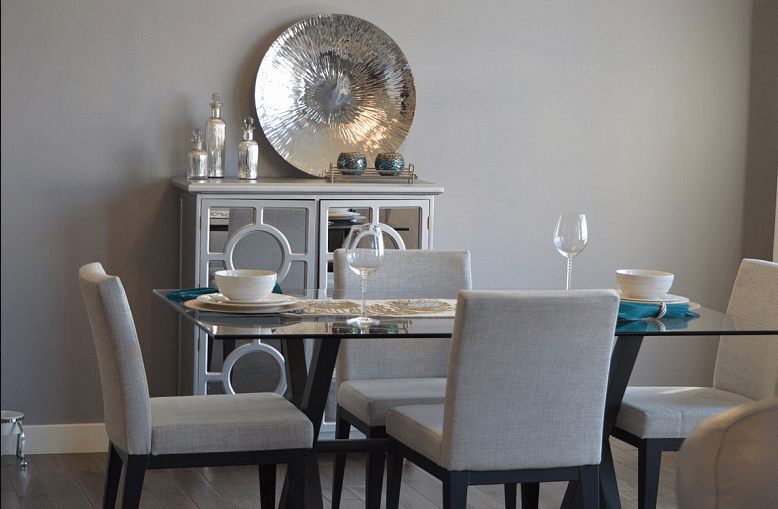
On the Internet, you probably came across photos of dubious attempts to turn a country cottage in central Russia into a medieval castle or baroque palace. Even with large budgets, such solutions without taking into account the environment can look discouraging.
An experienced designer will help develop the theme, taking into account your habits, family composition, available budget, climatic conditions outside the window and the architectural features of the living space. Even if your theme is medieval castles, it can be guessed in individual furniture or architectural elements, instead of turning the living space into a Game of Thrones scenery.
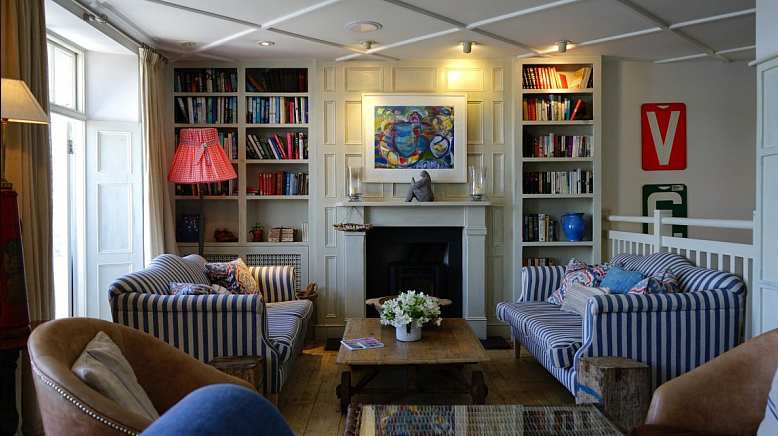
Sometimes the room itself becomes the author of the story. The story may be dictated by the architectural features of a country house or the Old Foundation. You can be inspired by the history of the building itself and its occupants, or focus on the romantic associations that stucco on the ceiling evokes.
But even in a typical apartment without bay windows, arched windows and endless ceilings, you can assemble a non-trivial personalized interior, the main thing is to remember the footage and layout and not try to turn a two-room apartment into a palace.
How to make the interior “talk”
Now that the design has taken a course towards personalization, you can not be afraid that the interior is knocked out of a certain style. Styles are abolished, it’s time to look for unique things and solutions. But even this search can go too far.
Do not confuse self-expression with a keen desire to excel, which sometimes entails dubious experiments like “dancing” arched openings from the 90s and self-leveling 3D floors. You can express yourself through the means available, if you spice them up with unique elements and keep the theme.
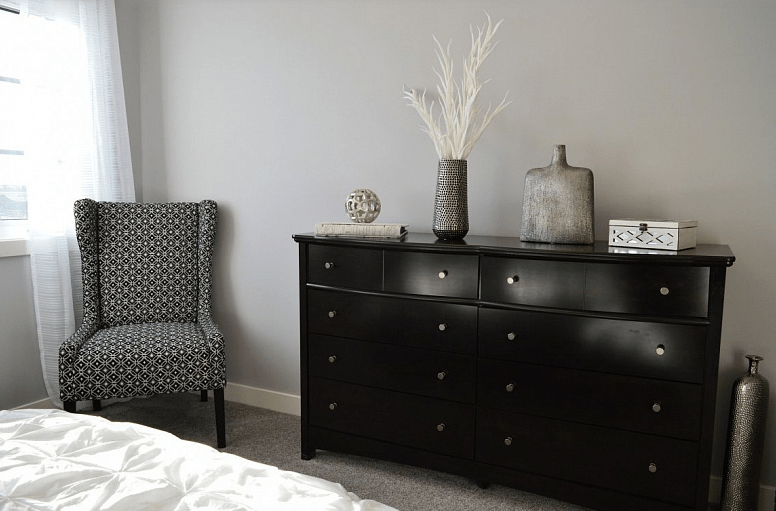
In order for the interior to speak more about you, it is not necessary to have access to antiques, have a solid heritage of grandma’s vintage or furnish the apartment with furniture created according to individual sketches. There is no need to avoid the mass market and confuse basic things with clichés, the main thing is to get away from boring plots and headsets. Do not furnish the room with furniture from the same collection, combine disparate elements, trust your taste (and your designer). It is not the things themselves that are unique, but their combinations.
The main characters of the interior should be objects that you want to look at every day, evoking pleasant associations or memories, those that will speak to you and about you.
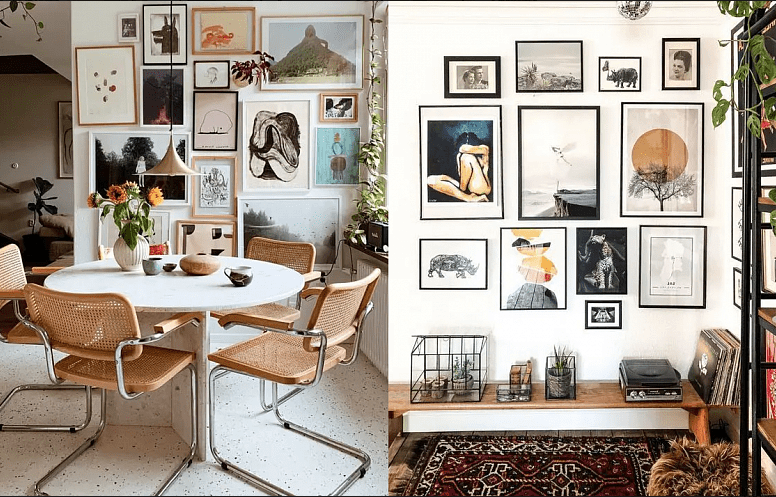
The easiest way to show individuality is by working with decor. Instead of a poster from the store, choose: a custom wall painting, a custom-made portrait of your dog, a herbarium brought back from a trip, a collage that you yourself made from postcards, children’s drawings, and finally family photos.
 My Home maker