
You’ve come to the right site if you’re looking for advice on how to correctly clean a pool. It’s always advisable to seek advice from experts who know exactly how to make sure that your above-ground pool is safe and enjoyable to use, whether you’ve recently had an above-ground pool installed in your backyard and want to keep it in perfect condition or if you’re tending to a neglected pool post-winter.
1. Follow a Maintenance Checklist
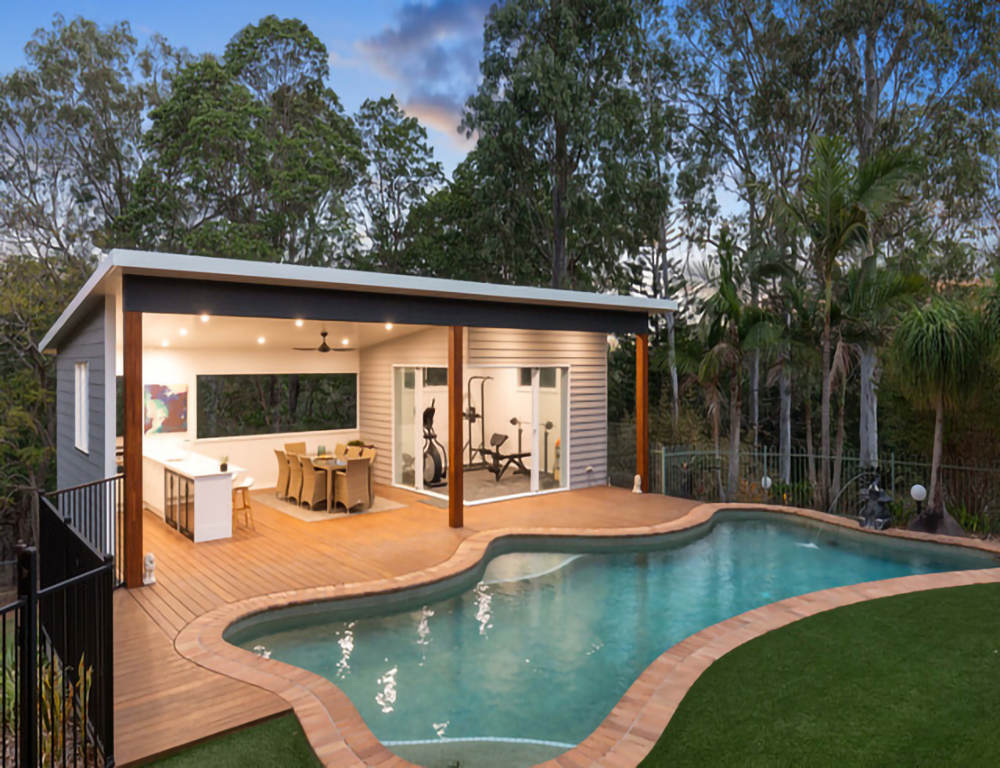
In order to keep the water clean and free of algae for a longer period of time, it goes without saying that you should also maintain the proper chemical balance. For a pool, the appropriate chemical balance is:
- Chlorine – 1-5 ppm
- pH – 7.2-7.6
- Stabilizer – 30-50 ppm
- Calcium hardness – 100-300 ppm
- Total alkalinity 80-120 ppm
2. Use a Brush
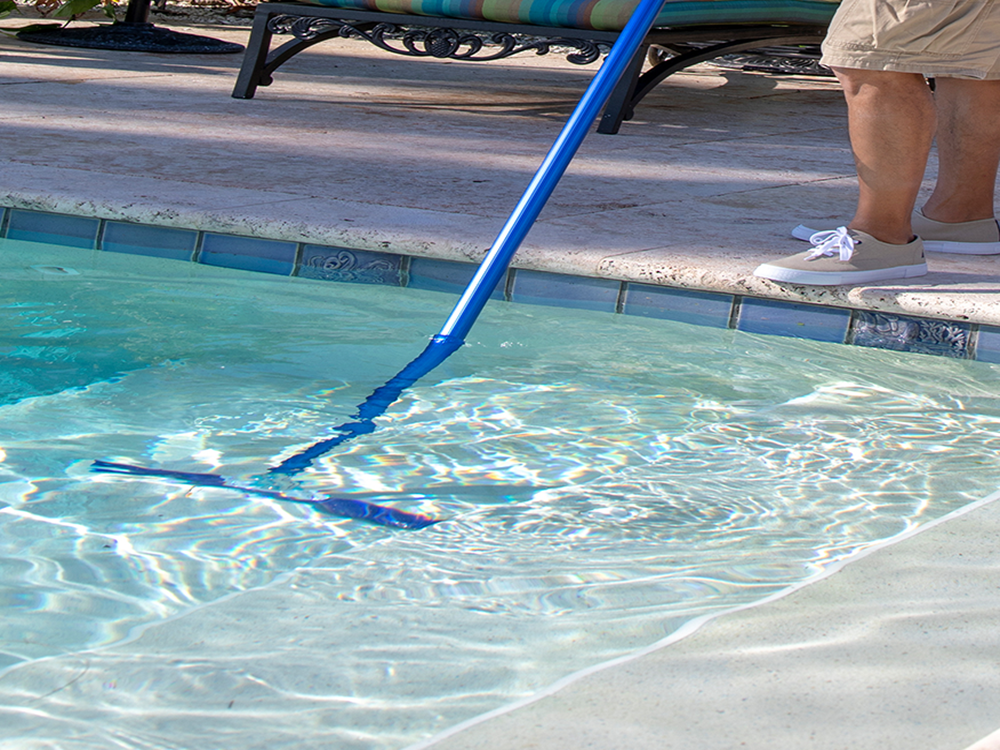
Using a pool brush to scrub the walls will help you avoid algae growth, stains, and scaling, especially in and around “dead zones” like steps, ladders, cracks, and below the skimmer.
3. Run the Pool Pump Daily
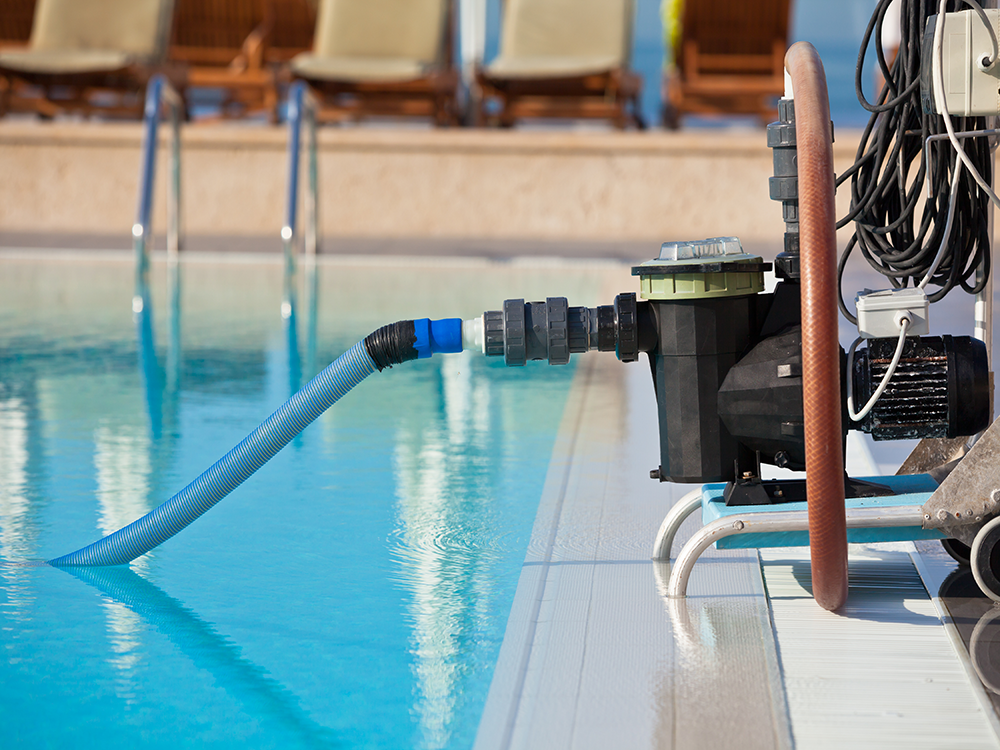
Duration: 8-12 hours per day
To put it another way, the more frequently you run your filtration system, the cleaner your water will be, and the less time you’ll need to spend removing algae or balancing your water. If operating your filter continuously is not practical, try operating it for 10 to 12 hours every day. You should run your pump a little bit longer each day if you live somewhere with a warmer temperature. Due to the fact that variable speed pool pumps can operate at a reduced speed throughout the day, saving money, energy, and creating less noise, we advise purchasing one.
4. Vacuum More Than Once a Week
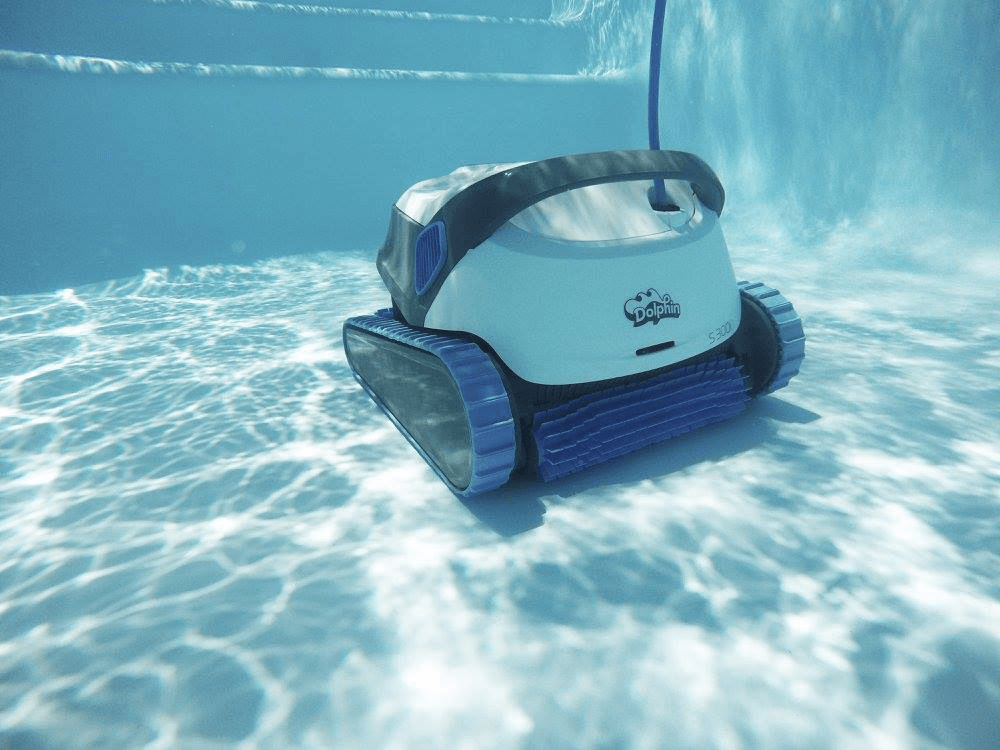
Another crucial step in removing material that might impair circulation and harm your pool is vacuuming it. Through a vacuum plate, you can use a vacuum head, hose, and pole that are connected to your skimmer. A step-by-step tutorial on vacuuming your pool.
5. Clean the Pool Filter
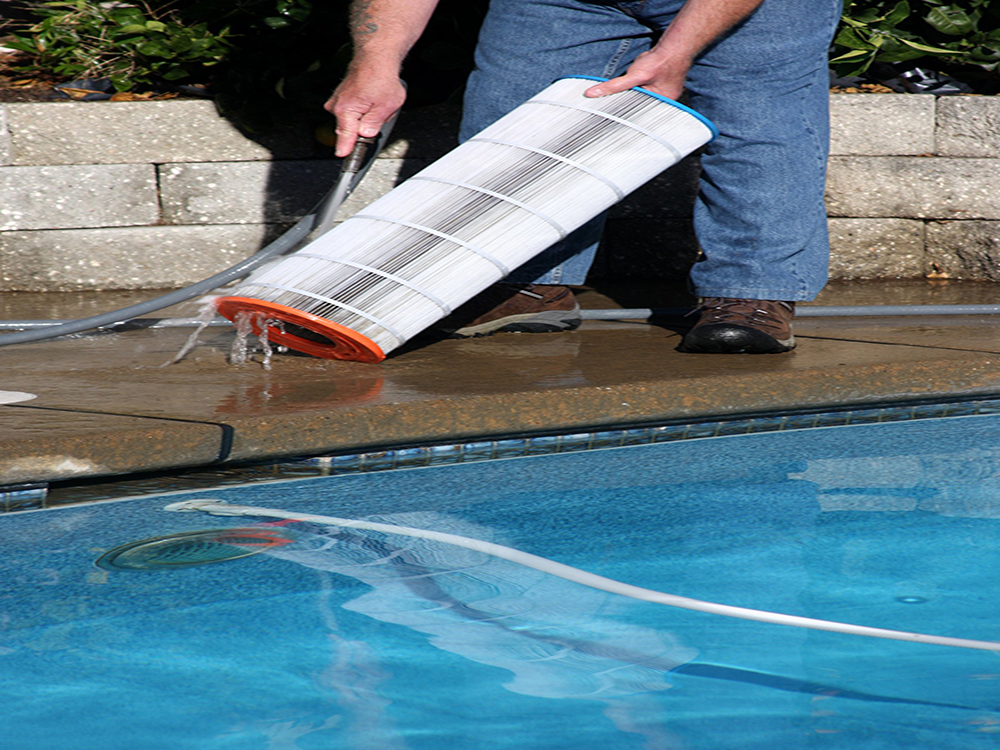
Frequency: When filter gauge reads about 10 psi higher than normal
It could be time to backwash your filter if your pump gauge reads 10 pounds or more above the typical value (about 10-15 psi for a clean filter). You must clean your filter cartridge if you’re using a cartridge filter.
6. Use a Pool Cover
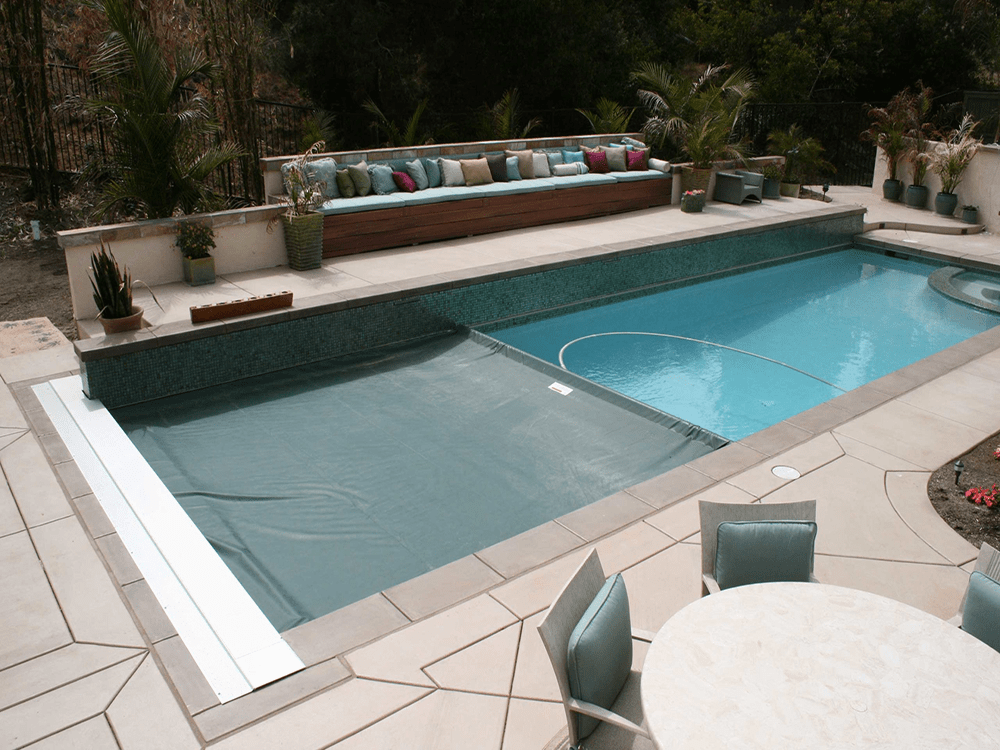
When not in use, cover the pool with a pool cover. The majority of the dust, leaves, pollen, and leaves that fall into pools will be kept out by doing this. It will be quite challenging to keep the pool’s bottom clean without a pool cover.
7. Shock the Pool
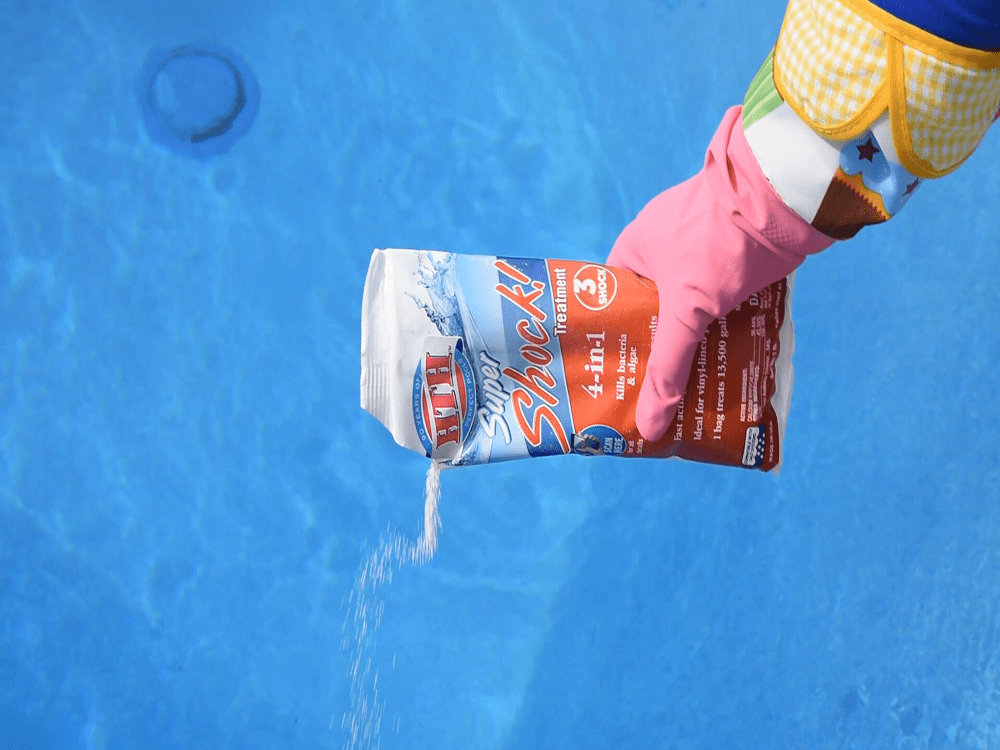
According to Harrison, shocking a swimming pool entails “adding enough chlorine to raise the chlorine level to 8-15 ppm.” As a result, algae and other organic materials will be destroyed. Do this at night because the majority of pool shocks don’t contain stabilisers and will lose their effectiveness in the sun. Keep the pool closed at night.
Pool test strips can be bought on Amazon.
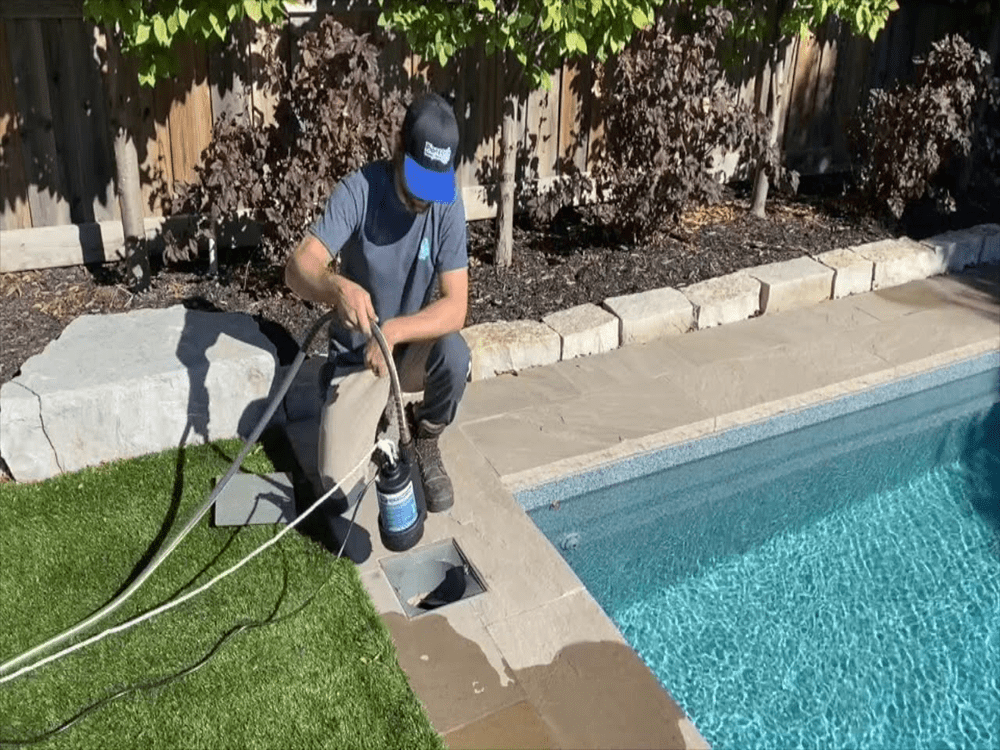
8. Protect Your House From Leaks
Despite the fact that above-ground pools must be installed several feet away from your house owing to electrical concerns, what should you do if the pool breaks and water begins gushing out of it at a fast rate of speed? The earth might quickly get inundated, as could your basement. Installing a sump pump in your basement to handle any water overflow that enters your home is the finest form of defence.

